Talent as a driver of innovation: University of Twente and Teledyne are building the future
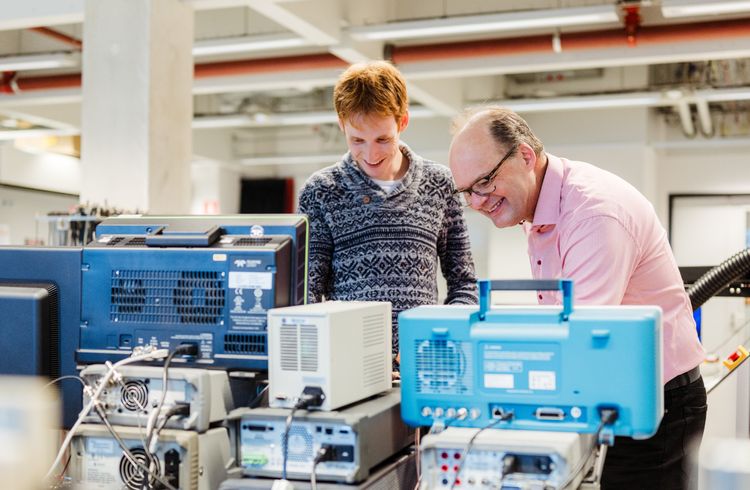
Bram Nauta, professor and researcher at the University of Twente, has led the Integrated Circuit Design department for almost thirty years. “If you compare chip design to ready-to-wear fashion, we are the haute couture among chipmakers worldwide,” he says. “We come up with the crazy ideas on the catwalk – the kind of ideas you later see reflected in real products.”
Frank Hoekerswever is director of operations at Teledyne Dalsa, a global leader in sensors, imaging and advanced semiconductor manufacturing. He heads the chip design department and emphasizes the impact of the knowledge and development coming out of the University of Twente. “I think about 85 percent of our designers were trained either directly or indirectly by Bram,” he says. “That makes his professional group the most important link in our network. We also sponsor PhD students who conduct research for us.”
A unique ecosystem for semiconductor companies
According to Nauta, the concentration of analog chip design companies in Twente is exceptional. “We have nine chip companies within cycling distance of the campus. That means students can do their internships literally around the corner. And the more students come in, the more attractive it becomes for companies to settle here. This mutually reinforces growth across the region.”
We are the haute couture among chipmakers worldwide.
This proximity also helps retain talent. “Most graduates stay here,” Nauta continues. “That didn’t used to be the case. Now they can choose from international companies from the US, Canada, Germany, and beyond – all located here in Twente. That provides stability and encourages graduates to stay.”
World-famous in a niche market
Twente is internationally renowned in the field of chip design. Hoekerswever sees this every day: “We perform at the highest level because we have the best people working for us. Machines and processes don’t make the difference – everyone has those. What sets us apart are people who are smarter and more creative than the competition.”
Nauta compares it to literature: “You can have a book printed anywhere, but you need a good writer to create a bestseller. We train those writers for the chip world.”
Experimenting to stay ahead
A crucial part of developing talent is giving people room to experiment. PhD students in Nauta’s group get the freedom to explore ideas that would never surface elsewhere. “Sometimes they’re bizarre, but that’s exactly what leads to breakthroughs. We demonstrate that something is possible before anyone else has even thought of it,” he says. “And while the world is slowly getting used to the idea, we’re already working on the next thing.”
Hoekerswever adds: “One of our PhD students is currently developing technology that will soon be used in satellites all over the world. It’s so advanced that our competitors can’t copy it. That’s where our advantage lies.”
Further strengthening the region
Despite the strength of the Twente ecosystem, both men still see opportunities for further growth. Nauta confirms: “What Twente still lacks are companies that manufacture complete end products. We mainly develop technology here. It would be even more powerful if we also had companies that build finished systems and show the world what these chips ultimately do.” According to Hoekerswever, the work they do remains somewhat abstract. “End products make it tangible, and appeal to a broader audience. That would make the region even more attractive.”
With the right talent, you can really make a difference in the chip industry. You see that every day in Twente.
Thinking ahead – and daring to experiment
Both agree: the Twente ecosystem combines established international players with a continuous influx of fresh talent. Success in the chip industry, they emphasize, relies on a blend of creativity and pragmatism. “You have to be crazy enough to try something new, but also down-to-earth enough to let it go if it doesn’t work,” says Nauta. Hoekerswever adds: “People in this industry think differently: they are smart, curious, and eager to solve difficult problems. It’s one of the toughest fields of study you can choose, but with the right talent, you can really make a difference. You see that every day in this region.”

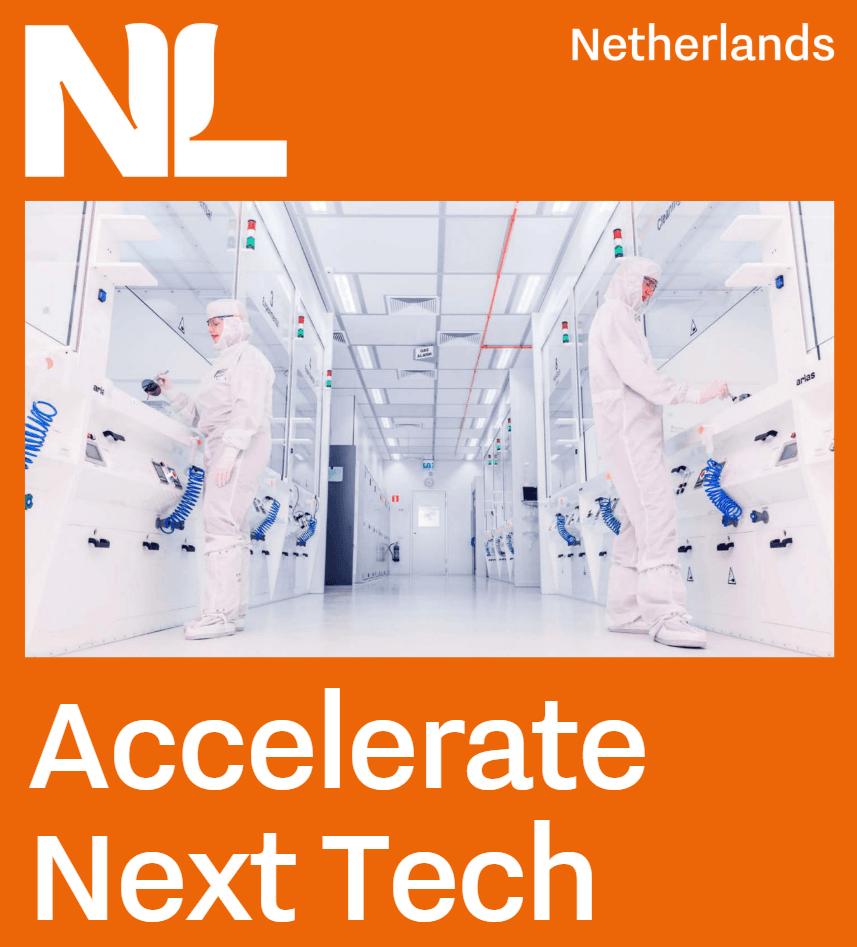
This story was previously published in the 'Accelerate Next Tech' magazine.
Accelerate Next Tech captures real examples of the medtech and sustainable technology ecosystem in action, highlighting companies and research partners driving breakthroughs in medtech and sustainable technology. It paints a picture of a region where future technology is not only envisioned, it is engineered and launched.
Click the button below to read the entire magazine.
This story was previously published in the 'Accelerate Next Tech' magazine.
Accelerate Next Tech captures real examples of the medtech and sustainable technology ecosystem in action, highlighting companies and research partners driving breakthroughs in medtech and sustainable technology. It paints a picture of a region where future technology is not only envisioned, it is engineered and launched.
Click the button below to read the entire magazine.